

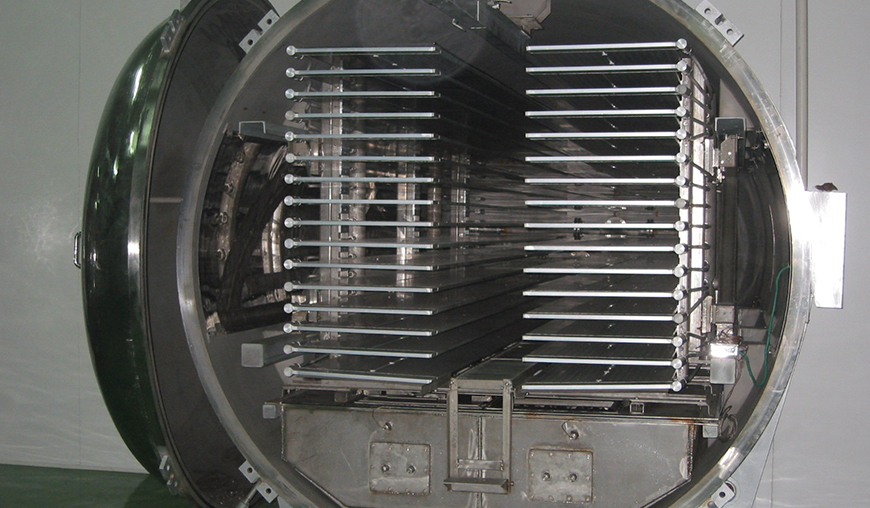
A freeze dryer machine for tropical fruit processing is an advanced dehydration system
designed to remove water from fruits such as mango, pineapple, banana, dragon fruit, papaya, jackfruit,
coconut, and many other tropical varieties while preserving color, flavor, nutrients, and structure.
This in‑depth guide explains how freeze drying works, why it is uniquely suited to tropical fruits,
and what technical specifications and configurations are commonly used in the industry.
A freeze dryer machine for tropical fruit processing is a specialized
vacuum freeze drying system (also called a lyophilization system) built
to dehydrate tropical fruits at low temperature under vacuum. By freezing the fruit and
then removing ice through sublimation, the freeze dryer machine produces
crisp, shelf‑stable tropical fruit pieces with minimal damage to flavor,
aroma, color, nutrients, and shape.
In tropical fruit processing plants, freeze dryers are used to convert fresh fruits into
high‑value products such as:
The equipment is widely used by fruit processors, contract dryers, snack manufacturers,
beverage ingredient suppliers, baby food producers, bakery ingredient brands, and nutraceutical
companies that require high‑quality freeze‑dried tropical fruit ingredients.
Tropical fruits are rich in sugar, organic acids, pigments, vitamins, and volatile aromas.
They are also highly perishable and sensitive to heat. Conventional drying methods such as
hot air drying often lead to:
A freeze dryer machine for tropical fruit processing overcomes many of
these issues by using low‑temperature dehydration.
Excellent color retention
Freeze‑dried mango, pineapple, dragon fruit, and papaya maintain bright natural colors
because the process avoids high drying temperatures and reduces oxidative reactions.
Superior flavor and aroma preservation
Volatile aromatic compounds are largely retained due to low temperature and vacuum.
The rehydrated tropical fruit has flavor close to fresh fruit, and the dry snacks
have strong natural tropical taste.
High nutrient retention
Vitamins and bioactive compounds in tropical fruits (vitamin C, carotenoids, polyphenols)
are better preserved compared with hot air or spray drying.
Unique porous, crunchy texture
Sublimation leaves behind a porous matrix that creates a light, crispy texture ideal for
premium fruit snacks, cereals, and inclusions.
Extended shelf life
Final moisture content and water activity are very low, enabling long shelf life under
proper packaging with minimal use of preservatives.
Low shrinkage and shape retention
Freeze‑dried tropical fruit pieces retain their original size and 3D shape, making them
attractive as visual ingredients in chocolate, bakery, yogurt, and ice cream products.
Cold‑chain independence after drying
Once dried and packaged, tropical fruits can be distributed without refrigeration, reducing
logistics costs and food waste in tropical regions.
A freeze dryer machine for tropical fruit processing operates based on
the principle of freeze drying (lyophilization), which combines freezing
and vacuum sublimation to remove water.
Freezing
Prepared tropical fruit pieces are rapidly frozen at low temperature, typically
between -20 °C and -45 °C, so that water crystallizes as ice inside the fruit tissue.
Primary drying (sublimation)
Under a deep vacuum, the shelf temperature is raised moderately. Ice in the fruit
sublimes directly into water vapor, which is captured on a cold condenser surface.
Most of the free water is removed at this stage.
Secondary drying (desorption)
Temperature is further increased under vacuum to remove bound water molecules,
reducing final moisture content and water activity to very low levels.
In a freeze dryer machine, the process conditions are controlled so that water moves
from the solid phase (ice) directly to the vapor phase (sublimation) without passing
through the liquid phase. This is achieved by:
For tropical fruits, careful control of product temperature is essential to avoid
melt‑back, structural collapse, or sugar stickiness due to high natural sugar content.
A freeze dryer for tropical fruit processing typically controls the
following parameters:
Optimizing these parameters for mango, pineapple, banana, and other fruits allows
efficient drying with high quality and minimal energy waste.
Although designs differ, a typical industrial freeze dryer machine for tropical fruit processing
includes several major components.
| Component | Main Function | Relevance to Tropical Fruit Processing |
|---|---|---|
| Drying chamber | Encloses fruit trays and provides controlled vacuum environment | Must be robust, easy to clean, and compatible with sticky, sugary fruits |
| Heating/cooling shelves | Support trays and regulate product temperature during freezing and drying | Uniform temperature distribution is critical to avoid uneven drying and color changes |
| Vacuum system | Creates low‑pressure conditions for sublimation | Reliable vacuum pumps and valves ensure stable pressure and gentle drying |
| Condenser (ice trap) | Captures water vapor as ice, protecting the vacuum pump | Needs sufficient capacity to handle high moisture load of juicy tropical fruits |
| Refrigeration system | Cools condenser and shelves during freezing phase | Must achieve low temperatures for rapid freezing and efficient sublimation |
| Heating system | Provides controlled heat for primary and secondary drying | Precise control avoids sugar melting or caramelization in fruit |
| Control system (PLC/HMI) | Monitors and controls temperature, pressure, time, and recipes | Allows customized drying programs for different tropical fruits |
| Trays / product containers | Hold sliced fruit pieces or purees | Must be food‑grade, easy to load/unload, and promote uniform drying |
| Clean‑in‑place (CIP) / sanitation features | Facilitate cleaning and hygiene | Important for preventing microbial contamination of fruit products |
Freeze dryers used in tropical fruit processing typically feature:
Different freeze dryer machine configurations are available for various
production scales and product formats in the tropical fruit processing industry.
| Type | Typical Capacity | Application in Tropical Fruit Processing |
|---|---|---|
| Laboratory freeze dryer | Few kilograms per batch | R&D, recipe development, testing mango/pineapple drying curves |
| Pilot‑scale freeze dryer | 10–100 kg per batch | Process scale‑up, small‑scale production, specialty tropical fruits |
| Industrial freeze dryer | Hundreds to thousands of kg per batch | Mass production of freeze‑dried tropical fruit snacks and ingredients |
Tray‑type batch freeze dryers
Fruit slices or pieces are placed on trays that are loaded on shelves. This is the most
common design for tropical fruit processing due to flexibility and robust control.
Continuous or semi‑continuous freeze dryers
Used in large industrial operations for high throughput. Product moves through different
drying zones. Less common for whole fruit pieces but relevant for powders or granules.
| Product Form | Freeze Dryer Characteristics | Typical Tropical Fruits |
|---|---|---|
| Whole pieces / slices / chips | Tray‑type, larger shelf spacing, focus on shape retention | Mango, banana, pineapple, dragon fruit, papaya, jackfruit |
| Fruit puree sheets | Flat trays, thin layers for fruit leather or flakes | Mango puree, guava puree, passion fruit blends |
| Fruit powders / granules | Often freeze‑dry slabs and mill afterwards, or use special setups | Mango powder, banana powder, pineapple powder, mixed fruit powders |
When evaluating a freeze dryer machine for tropical fruit processing,
technical specifications are crucial. The table below summarizes typical ranges used
in industrial tropical fruit freeze drying.
| Parameter | Typical Range | Notes for Tropical Fruits |
|---|---|---|
| Installed capacity (fresh fruit per batch) | 50 kg – 2,000+ kg per batch | Depends on plant size and market demand |
| Shelf temperature range | -45 °C to +80 °C | Low end for rapid freezing, high end for secondary drying |
| Condenser temperature | -40 °C to -80 °C | Lower temperature improves vapor capture efficiency |
| Ultimate vacuum pressure | ≤ 10–100 Pa (0.1–1 mbar) | Deep vacuum supports sublimation at low product temperature |
| Primary drying time | 8–24 hours | Depends on fruit thickness, sugar content, and load |
| Secondary drying time | 2–8 hours | Ensures low residual moisture and water activity |
| Final moisture content | ≤ 2–5% | Lower moisture increases shelf life and crispness |
| Final water activity (aw) | ≤ 0.20–0.30 | Critical for microbial stability and texture |
| Heat transfer method | Conduction via shelves, sometimes radiation | Optimized for uniform drying of fruit trays |
| Material of construction | Stainless steel for product contact surfaces | Food safety and corrosion resistance |
The following example shows typical specifications seen in an industrial
freeze dryer machine for tropical fruit processing. Actual values
vary depending on design and capacity.
| Item | Example Specification |
|---|---|
| Usable shelf area | 50–200 m² |
| Number of shelves | 10–40 shelves |
| Maximum shelf load | 10–30 kg/m² (fresh fruit) |
| Chamber internal dimensions | Custom, e.g., 2.5 m (W) × 3 m (L) × 2.5 m (H) |
| Vacuum pump type | Oil‑sealed rotary vane or dry screw pump with booster |
| Refrigeration type | Single‑stage or cascade refrigeration using appropriate refrigerants |
| Control system | PLC with HMI screen, data logging, recipe management, alarms |
| Power supply | 3‑phase industrial power (e.g., 380–480 V, 50/60 Hz) |
| Installed power | From tens to several hundred kW, depending on capacity |
| Cooling water requirement | According to compressor and condenser capacity |
A freeze dryer machine for tropical fruit processing is usually part of
a complete fruit processing line. The typical process flow is outlined below.
Raw material reception and inspection
Fresh tropical fruits are received, sorted, and inspected for quality and safety.
Only ripe, defect‑free fruits are used for freeze drying.
Washing and sanitizing
Fruits are washed to remove dirt, pesticides, and other contaminants. Sanitizing
solutions may be used according to food safety standards.
Peeling, coring, and deseeding
Operations vary depending on the fruit type (e.g., peeling mango, coring pineapple,
peeling and slicing banana, removing seeds from papaya).
Slicing or cutting
Fruits are cut into uniform slices, cubes, or pieces to ensure consistent drying.
Slice thickness often ranges from 3 mm to 15 mm, depending on product design.
Optional pre‑treatments
Loading onto trays
Sliced fruit pieces are evenly spread on freeze dryer trays in a single layer
to maximize drying uniformity.
Loading trays into freeze dryer
Trays are inserted into the drying chamber and placed on the temperature‑controlled shelves.
Freezing phase
The fruit is frozen in the chamber using the shelf refrigeration system, or pre‑frozen
in a separate freezer before loading.
Primary drying
Vacuum is applied, shelf temperature is gradually raised, and ice within the fruit
sublimes into water vapor, which is trapped on the condenser.
Secondary drying
Slightly higher temperatures remove residual bound water molecules until target moisture
and water activity are reached.
End‑point determination
Product moisture is checked by sampling or via online monitoring methods, and the
cycle ends when drying is complete.
Unloading and cooling
After drying, trays are removed from the freeze dryer, allowing the product to equilibrate
while minimizing exposure to ambient humidity.
Sorting and size reduction
Freeze‑dried tropical fruit can be left as whole pieces, broken into granules, or
milled into powders using low‑impact grinding to preserve quality.
Metal detection and inspection
Quality control checks help ensure food safety and remove foreign bodies.
Packaging
Freeze‑dried fruits are packed in moisture‑ and oxygen‑barrier materials. Nitrogen flushing
or vacuum packaging may be applied to protect quality.
Storage and distribution
Packaged products are stored in cool, dry conditions away from light to maintain
color, flavor, and crispness during shelf life.
A freeze dryer machine for tropical fruit processing supports a wide
range of finished products and ingredients, transforming perishable fruits into
shelf‑stable, high‑value products for global markets.
After freeze drying, tropical fruits can be milled into fine powders that dissolve or disperse
rapidly in liquids. Applications include:
The gentle, low‑temperature operation of a freeze dryer machine makes it
suitable for tropical fruit components in:
Tropical fruit processors often compare a freeze dryer machine with
alternative dehydration technologies. Each method has advantages and limitations.
| Drying Method | Operating Temperature | Product Quality | Energy Use | Typical Applications |
|---|---|---|---|---|
| Freeze drying (lyophilization) | Low (below 0 °C during sublimation) | Excellent color, flavor, nutrients, and texture | Relatively high per kg of water removed | Premium tropical fruit snacks, high‑value ingredients |
| Hot air drying | 50–80 °C or higher | Reduced aroma, darker color, tougher texture | Moderate | Traditional dried fruits, low‑cost products |
| Spray drying | High inlet air temperature | Suitable mainly for liquid purees and juices; loss of volatiles | Efficient for liquids | Fruit powders from juices and purees |
| Vacuum belt / vacuum drum drying | Lower than hot air, but higher than freeze drying | Intermediate quality; some flavor and color retention | Moderate | Fruit flakes and powders |
| Microwave‑assisted drying | Internal heating via microwaves | Faster, but risk of hot spots if not controlled | Relatively efficient | Rapid drying of fruit pieces and snacks |
Although freeze drying is more energy‑intensive and requires higher capital investment,
its superior product quality often justifies the cost in premium segments of tropical
fruit processing.
A freeze dryer machine for tropical fruit processing must support
consistent product quality and meet food safety regulations in target markets.
Tropical fruit processors using freeze dryers generally implement:
Depending on export destinations, compliance may be required with:
Operating a freeze dryer machine for tropical fruit processing involves
energy use for freezing, vacuum generation, heating, and refrigeration. Understanding
cost factors is important for economic evaluation.
| Cost Element | Description | Influence of Freeze Dryer Selection |
|---|---|---|
| Capital investment | Purchase and installation of freeze dryer and auxiliary equipment | Larger, automated systems have higher initial cost but better throughput |
| Energy cost | Electricity for compressors, vacuum pumps, heaters, and auxiliaries | Efficient designs and optimized cycles reduce energy per kg of dried fruit |
| Labor cost | Operators, maintenance, quality control personnel | Automation and user‑friendly controls can reduce labor intensity |
| Maintenance and spare parts | Service for pumps, valves, refrigeration, and control systems | Robust design and quality components lower lifecycle costs |
| Packaging cost | Barrier materials, nitrogen flushing, labeling | Product sensitivity and shelf life goals influence packaging needs |
| Raw material cost | Fresh tropical fruits, pre‑treatment ingredients | High yield and low losses make freeze drying attractive for premium fruits |
Selecting a freeze dryer machine for tropical fruit processing requires
balancing capacity, quality, cost, and flexibility.
The type and variety of tropical fruit products affect equipment choices:
A freeze dryer rarely operates as a stand‑alone unit. Consider:
Effective operation of a freeze dryer machine for tropical fruit processing
ensures consistent product quality, safety, and equipment longevity.
| Issue | Possible Cause | Corrective Action |
|---|---|---|
| Sticky or collapsed fruit structure | Product temperature too high, sugars melted; insufficient freezing | Lower shelf temperature, improve freezing rate, reduce layer thickness |
| Uneven drying or wet spots | Uneven loading, poor vapor flow, inadequate cycle time | Standardize tray loading, adjust vacuum and temperature, extend primary drying |
| Loss of crispness during storage | High residual moisture or water activity; inadequate packaging barrier | Ensure complete secondary drying, improve packaging materials and sealing |
| Darkening or discoloration | Oxidation, enzymatic browning, or overheating | Use anti‑browning treatments, optimize pre‑treatments and temperature profile |
| Vacuum not reaching setpoint | Leaks, worn seals, or pump problems | Leak test, replace gaskets, service vacuum pump |
The use of freeze dryer machines in tropical fruit processing continues
to expand as demand grows for natural, minimally processed, and convenient fruit products.
Tropical fruit processors increasingly focus on:
Industrial equipment that performs freeze drying (lyophilization) by combining
freezing, vacuum, and controlled heating.
Industrial transformation of tropical fruits (such as mango, pineapple, banana,
papaya, dragon fruit, jackfruit, etc.) into value‑added products.
Another term for freeze drying, describing the process of removing water from
a frozen product by sublimation and desorption.
Phase change where water moves directly from solid (ice) to vapor without passing
through a liquid state, under specific pressure and temperature conditions.
Main phase of freeze drying in which frozen water (ice) is removed by sublimation
under vacuum at low temperature.
Final phase of freeze drying that removes bound water at slightly higher temperatures
under vacuum to achieve low residual moisture.
Measure of free water available for microbial growth and chemical reactions; lower
values indicate better stability in dried products.
Component of a freeze dryer that captures water vapor by freezing it on a cold surface,
protecting the vacuum pump and maintaining process efficiency.
Device that removes air and non‑condensable gases from the freeze dryer chamber to
create low‑pressure conditions necessary for sublimation.
Freeze dryer type where product is spread on trays placed on temperature‑controlled
shelves inside a vacuum chamber.
Understanding these terms and principles helps tropical fruit processors select and
operate the right freeze dryer machine for tropical fruit processing,
producing high‑quality freeze‑dried mango, pineapple, banana, dragon fruit, and many
other tropical fruit products for global markets.
This guide is intended as a general technical overview of freeze dryer machines for
tropical fruit processing. Specific equipment designs, process parameters, and performance
will vary depending on application, scale, and supplier.
```
This website uses cookies to ensure you get the best experience on our website.
 Español
 Pусский
 Français
 العربية



 WhatsApp
 Phone
Phone
Comment
(0)